

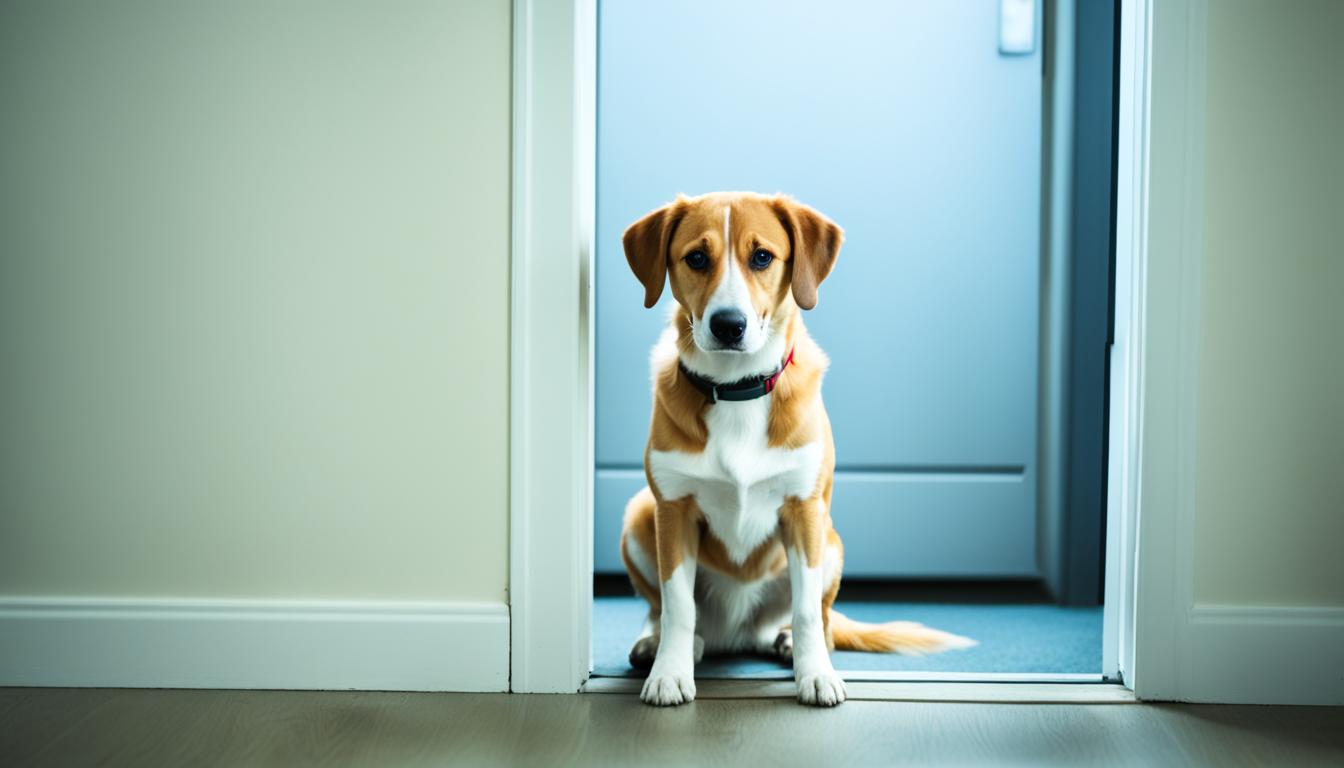

Does your furry friend experience separation anxiety? It can be heartbreaking to see your dog distressed when you have to leave them alone. But fear not, because there are effective strategies that can help alleviate their anxiety and promote a sense of calm and confidence. In this article, we will explore three key strategies that can make a world of difference for your dog. So, are you ready to discover the secrets to easing your dog’s separation anxiety?
Separation anxiety in dogs can manifest in various ways, such as excessive barking, destructive behavior, and attempts to escape. It is a condition that requires attention and intervention to ensure your pet’s well-being. By implementing these three key strategies, you can help your dog feel more secure and comfortable when alone, ultimately strengthening the bond between you and your canine companion.
Key Takeaways:
- Gradually desensitize your dog to being alone by increasing the duration of separation over time.
- Provide mental and physical stimulation through exercise, interactive toys, and training games.
- Consult with a veterinarian to rule out any underlying medical conditions and explore medication or supplements if necessary.
- Create a predictable routine and supportive environment to minimize stress and anxiety for your dog.
- Consider enlisting the help of a professional, such as a certified animal behaviorist, for more severe cases of separation anxiety.
Understanding Separation Anxiety in Dogs
Separation anxiety in dogs is a common condition that can significantly impact their well-being and the quality of their relationship with their owners. It occurs when a dog becomes excessively attached to their owner and experiences extreme distress when left alone. It is important to understand the causes and signs of separation anxiety in order to effectively address the issue and provide appropriate support for your furry friend.
Causes of Separation Anxiety in Dogs:
There are various factors that can contribute to separation anxiety in dogs:
- Being left alone for the first time
- Changes in ownership
- Moving to a new environment
- Changes in routine or schedule
- The loss of a family member
These situations can trigger feelings of fear, insecurity, and stress in dogs, leading to separation anxiety.
Signs of Separation Anxiety in Dogs:
Dogs with separation anxiety may exhibit a range of behaviors that indicate their distress:
- Excessive barking or howling
- House soiling, even when they are housetrained
- Destructive behavior, such as chewing furniture or scratching doors
- Excessive drooling or panting
- Restlessness and pacing
- Attempts to escape from the house or confinement
Observing these signs can help you recognize if your dog is experiencing separation anxiety and take appropriate measures to help them cope.
Understanding the underlying causes and recognizing the signs of separation anxiety in your dog are crucial steps towards finding the right solutions and providing the necessary support. In the next sections, we will explore effective strategies, professional guidance, and a supportive environment to help alleviate your dog’s separation anxiety and promote their overall well-being.
Consulting with a Veterinarian
Before implementing any strategies to ease your dog’s separation anxiety, it is crucial to consult with a veterinarian. Their expertise can help rule out any underlying medical problems that may be contributing to your dog’s behavior. A thorough examination and discussion about your dog’s symptoms will allow the veterinarian to assess the situation and provide appropriate guidance.
An experienced veterinarian will consider various factors, such as your dog’s general health, breed, age, and lifestyle, to determine the best course of action. They may recommend specific tests or diagnostics to rule out any underlying medical conditions that could be exacerbating your dog’s anxiety.
If necessary, the veterinarian may suggest medication or supplements to help calm your dog and reduce their separation anxiety. Medication can be a valuable tool in managing separation anxiety, particularly for dogs with severe symptoms. The veterinarian will provide guidance on the appropriate medication, dosage, and duration of treatment specific to your dog’s needs.
Remember that medication should always be used in conjunction with behavior modification techniques and a supportive environment.
Ruling Out Medical Problems
Ruling out medical problems is an essential step in addressing your dog’s separation anxiety. Many medical conditions can contribute to anxious behavior in dogs, and it is crucial to address these underlying issues to effectively manage their anxiety.
“Our goal is to ensure your dog’s overall health and well-being. By ruling out any medical problems, we can focus on implementing strategies to alleviate their separation anxiety and support their emotional well-being.” – Dr. Sarah Thompson, DVM
Medication for Separation Anxiety in Dogs
For dogs with moderate to severe separation anxiety, medication may be prescribed as part of a comprehensive treatment plan. These medications can help calm your dog’s anxiety and provide them with much-needed relief. However, medication should always be used under the guidance of a veterinarian.
Common medications used for separation anxiety in dogs include selective serotonin reuptake inhibitors (SSRIs), tricyclic antidepressants (TCAs), and benzodiazepines. The veterinarian will assess your dog’s individual needs and recommend the medication that is most suitable for them.
It’s important to note that medication is not a cure for separation anxiety. It should be used in conjunction with behavioral modification techniques and a supportive environment to achieve the best results.
Next Steps
Once you have consulted with a veterinarian and ruled out any underlying medical problems, you can move forward with implementing strategies to ease your dog’s separation anxiety. The next section will explore the gradual desensitization technique, which can help your dog become more comfortable with being alone.
Gradual Desensitization to Being Alone
Gradual desensitization is a key strategy for helping your dog become more comfortable with being alone. Dogs with separation anxiety often experience extreme distress and fear when left by themselves. By gradually exposing your dog to being alone, you can help them build confidence and reduce their anxiety over time.
The process of gradual desensitization involves starting with very short durations of alone time, just a few minutes at a time, and gradually increasing the duration as your dog becomes more comfortable. It’s important to pay attention to your dog’s body language and behavior during this process to ensure they are not becoming overwhelmed or stressed.
Creating a Calm Environment
When practicing gradual desensitization, it’s crucial to create a calm and relaxed environment for your dog. This helps them associate being alone with positive experiences and reduces their anxiety. Here are some techniques you can use:
- Provide a special treat or toy that your dog only receives when you leave. This can help distract and engage them during your absence.
- Leave recently worn clothes that smell like you near your dog. Your scent can provide comfort and reassurance while you are away.
- Consider using natural calming supplements, such as lavender oil or chamomile, if recommended by your veterinarian. These supplements can help promote relaxation and reduce anxiety.
By creating a calm environment and using these techniques, you can help your dog feel more secure and at ease when left alone.
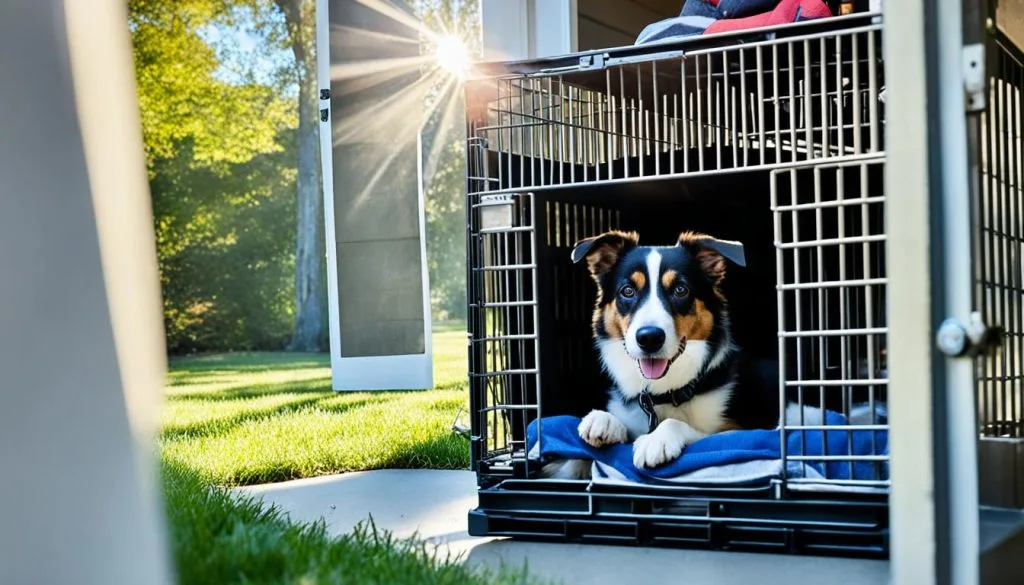
“Gradual desensitization is a proven technique to help dogs overcome separation anxiety. By gradually exposing them to being alone in a calm environment, we can help them build confidence and reduce their anxiety.”
Remember that each dog is unique, and the speed of progress may vary. It’s essential to be patient and understanding throughout the process. If you notice any signs of distress or if your dog’s anxiety worsens, it’s crucial to consult with a professional, such as a certified animal behaviorist or trainer experienced in separation anxiety.
In the next section, we will explore the importance of providing mental and physical stimulation for dogs with separation anxiety, and how these activities can help keep them occupied and mentally fulfilled when alone.
Providing Mental and Physical Stimulation
Dogs that experience separation anxiety can benefit greatly from both mental and physical stimulation. Regular exercise is a key component in helping to tire out your dog and reduce their overall anxiety levels. By engaging in activities that challenge their mind and body, you can keep your dog occupied and distracted while you are away, providing them with a sense of fulfillment even when you’re not present.
One effective way to stimulate your dog mentally is by incorporating training games into their daily routine. These games encourage problem-solving and help to keep their mind sharp. Interactive toys are another excellent option as they allow your dog to engage in independent play and provide mental stimulation. Toys that require your dog to work for treats or rewards can be particularly beneficial in keeping them mentally engaged.
In addition to mental stimulation, physical exercise is crucial for dogs with separation anxiety. Regular exercise helps to release pent-up energy and can significantly reduce your dog’s anxiety levels. Activities such as brisk walks, jogging, or even playing fetch in the backyard can all contribute to a tired and contented pup. Aim for at least 30 minutes to an hour of exercise each day, depending on your dog’s breed and energy level.
Training games and interactive toys can provide mental stimulation and keep your dog engaged while you’re away.
Remember to tailor the activities to your dog’s individual needs and preferences. Some dogs may enjoy puzzle toys that require problem-solving, while others may prefer agility games or obedience training sessions. Experiment with different options to find what works best for your furry friend.
By providing both mental and physical stimulation, you can help alleviate your dog’s separation anxiety and create a more balanced and fulfilled companion. Regular exercise and engaging activities will not only tire out their body but also provide them with a healthy outlet for their energy and reduce their overall anxiety levels.
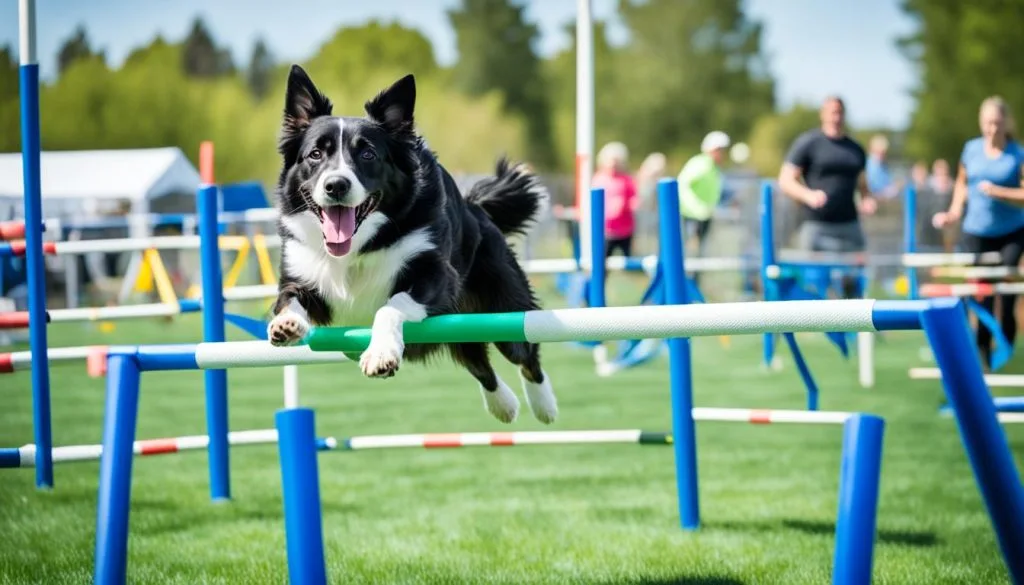
Engaging in training games and providing interactive toys helps keep your dog mentally stimulated and reduces anxiety levels.
Enlisting the Help of a Professional
If your dog’s separation anxiety is severe or does not improve with the strategies mentioned above, it may be beneficial to enlist the help of a professional. Professional help is essential in addressing complex behavioral issues and providing specialized guidance tailored to your dog’s specific needs.
A certified animal behaviorist or a trainer experienced in separation anxiety training can offer valuable expertise and insights into your dog’s behavior. They can assess the underlying causes of the separation anxiety and develop a customized behavior modification plan to help your dog overcome their anxiety.
Working with a professional ensures that you have a knowledgeable partner who can guide you through the process of desensitizing your dog and implementing effective behavior modification techniques. They can also provide ongoing support and troubleshooting as you navigate through different stages of the training process.
When seeking professional help, look for individuals who have relevant qualifications and experience in dealing with separation anxiety in dogs. A certified animal behaviorist, for example, has extensive training and knowledge in animal behavior and can provide expert advice and guidance.
Remember, addressing separation anxiety requires a comprehensive approach that combines behavioral training, environmental adjustments, and sometimes, medication or supplements. With the help of a professional, you can develop a holistic plan that addresses your dog’s specific needs and sets them on the path to feeling more secure and confident when alone.
“Working with a professional ensures that you have a knowledgeable partner who can guide you through the process of desensitizing your dog and implementing effective behavior modification techniques.”
Creating a Predictable Routine
For dogs with separation anxiety, establishing a predictable routine is essential in helping them feel more secure and minimize their anxiety. Consistency and minimizing triggers can go a long way in providing a sense of comfort and stability for your furry friend.
Regular Feeding Times
One way to create a predictable routine is by establishing regular feeding times for your dog. This helps them anticipate and expect their meals, reducing any anxiety or uncertainty. Stick to a consistent schedule, feeding your dog at the same time each day. This not only helps with their separation anxiety but also promotes healthy digestion and overall well-being.
Exercise Routines
Another important aspect of a predictable routine is a consistent exercise regimen. Regular exercise not only promotes physical health but also helps dogs release pent-up energy and reduce anxiety. Set aside dedicated time each day to engage in activities such as walks, playtime, or interactive games. By incorporating exercise into your dog’s routine, you can provide them with mental and physical stimulation, helping to ease their separation anxiety.
Calm and Low-Key Departure Rituals
When leaving the house, creating a calm and low-key departure ritual can help minimize your dog’s anxiety. Avoid making a big fuss or showing excessive emotion during your departure. Instead, engage in simple and quiet rituals that signal to your dog that you will return. This might include giving them a special toy or treat, offering a gentle pat on the head, or simply saying a reassuring phrase. By keeping your departure routine consistent and low-key, you can help reduce your dog’s stress and anxiety while you’re away.
Minimizing Changes in Environment or Routine
Dogs with separation anxiety can be sensitive to changes in their environment or routine. Minimizing these changes can greatly reduce their stress levels. Try to keep their living environment as consistent as possible, avoiding major rearrangements or introductions of new objects. Similarly, maintain a consistent daily routine, including sleep schedules, exercise times, and playtime. Providing this stability can help your dog feel more secure and minimize their separation anxiety.
By implementing a predictable routine, you can create a sense of comfort and security for your dog. Consistency in feeding times, exercise routines, and departure rituals, along with minimizing changes in their environment, can significantly reduce their separation anxiety. Remember, patience and persistence are key in helping your furry companion overcome their anxiety and live a happier, more relaxed life.
| Benefits of a Predictable Routine for Dogs with Separation Anxiety |
|---|
| Reduced stress and anxiety |
| Improved behavior when left alone |
| Enhanced sense of security and stability |
| Promotion of healthy digestion |
| Increased bond and trust with their owner |
Using Calming Supplements or Medications
In some cases, calming supplements or medications may be a helpful addition to ease your dog’s separation anxiety. Natural remedies such as calming pheromone sprays or herbal supplements can promote relaxation and provide a sense of calm for your furry friend. These supplements can help soothe anxious dogs and create a serene environment for them during your absence.
If your dog’s separation anxiety is more severe, medication may be recommended by your veterinarian. Anti-anxiety medications can be prescribed to alleviate your dog’s anxiety and help them cope with being alone. It’s essential to follow your veterinarian’s guidance and dosage instructions when administering any supplements or medications to ensure the well-being and safety of your beloved pet.
Using calming supplements or medications can be an effective component of a comprehensive approach to addressing separation anxiety in dogs. In combination with other strategies and training techniques, these supplements and medications can help create a calmer and more comfortable state for your dog.
Ensuring a Supportive Environment
Creating a supportive environment is essential for helping your dog overcome separation anxiety. By providing a safe and comfortable space for your dog when they are alone, such as a crate or designated area, you can help alleviate their stress. Supportive environments for dogs should be free from any potential hazards or triggers that might increase their anxiety.
In addition to creating a safe space, it’s important to implement positive reinforcement techniques. Rewarding calm behavior and using treat-dispensing toys can help reinforce positive associations with being alone. These techniques help your dog understand that being alone is a normal and enjoyable part of their routine.
Remember, positive reinforcement is key to building a supportive environment. Be patient with your dog and acknowledge their progress. Consistency and encouragement will go a long way in helping them overcome separation anxiety and build confidence.
To further reduce your dog’s anxiety, consider incorporating pheromone diffusers or calming music in their environment. These can provide a soothing atmosphere and promote relaxation. Creating a stress-free environment will help your dog feel more secure and comfortable when left alone.
The Importance of Routine
Establishing a predictable routine plays a significant role in creating a supportive environment for your dog. Dogs thrive on consistency, and a consistent schedule can help reduce their anxiety. Avoid sudden changes or disruptions to their routine, as these can trigger stress for dogs with separation anxiety.
It’s important to have regular feeding times, exercise routines, and departure rituals that are calm and low-key. Dogs find comfort in knowing what to expect, so a consistent routine can provide them with a sense of security. Minimizing changes in their environment or routine will help minimize their stress and anxiety.
Creating a Safe and Calm Space
When designing a supportive environment for your dog, ensure that their space is safe and calm. A crate or designated area can serve as a den where they feel secure. Make sure to provide comfortable bedding, toys, and water within reach.
| Creating a Safe Space: | Positive Reinforcement: |
|---|---|
| 1. Provide a crate or designated area | 1. Reward calm behavior |
| 2. Include comfortable bedding and toys | 2. Use treat-dispensing toys |
| 3. Ensure easy access to water | 3. Incorporate pheromone diffusers or calming music |
Remember, every dog is unique, and it may take time to find the right supportive environment for your furry friend. Pay attention to their individual needs, listen to their behavior cues, and adjust the environment accordingly.
Conclusion
Dealing with separation anxiety in dogs can be a challenging and distressing experience for both you and your furry friend. However, by implementing the three key strategies discussed in this article, you can help ease your dog’s anxiety and achieve a calmer, happier pet.
Gradual desensitization to being alone is essential in helping your dog become more comfortable and confident when you’re not around. By slowly increasing the time they spend alone, you can build their tolerance and reduce their anxiety.
Providing mental and physical stimulation is also crucial. Regular exercise, interactive toys, and training games can keep your dog engaged and fulfilled, even when you’re away. These activities help tire them out and minimize their overall anxiety.
In cases where your dog’s separation anxiety persists or worsens, enlisting the help of a professional, such as a certified animal behaviorist or trainer, may be necessary. They can develop a customized plan to address your dog’s specific needs and help them feel more secure when alone.
Ultimately, by combining these strategies with patience, consistency, and a supportive environment, you can help your dog overcome separation anxiety and enjoy a more relaxed and contented life. Remember, every dog is unique, and finding the right approach may take time, but the effort is worth it when you see your beloved pet thrive.
FAQ
What are the key strategies for easing my dog’s separation anxiety?
What is separation anxiety in dogs?
What signs should I look for in my dog if they have separation anxiety?
Should I consult with a veterinarian if my dog has separation anxiety?
How can I gradually desensitize my dog to being alone?
What can I do to provide mental and physical stimulation for my dog?
When should I consider enlisting the help of a professional for my dog’s separation anxiety?
How can I create a predictable routine for my dog?
Are there supplements or medications that can help ease my dog’s separation anxiety?
What can I do to ensure a supportive environment for my dog?
Source Links
- https://www.webmd.com/pets/dogs-separation-anxiety
- https://www.24petwatch.com/blog/8-ways-to-help-with-dog-separation-anxiety
- https://www.petmd.com/dog/training/how-help-dog-separation-anxiety

Carlos is the passionate founder and primary author behind “CorgisCorner.com,” a website dedicated to all things related to the beloved Corgi breed. Born and raised in a small town known for its strong sense of community and love for animals, Carlos developed a deep affection for Corgis from a young age. This love was sparked by his childhood companion, a spirited and loyal Corgi named Toby, who was a constant source of joy and friendship.