

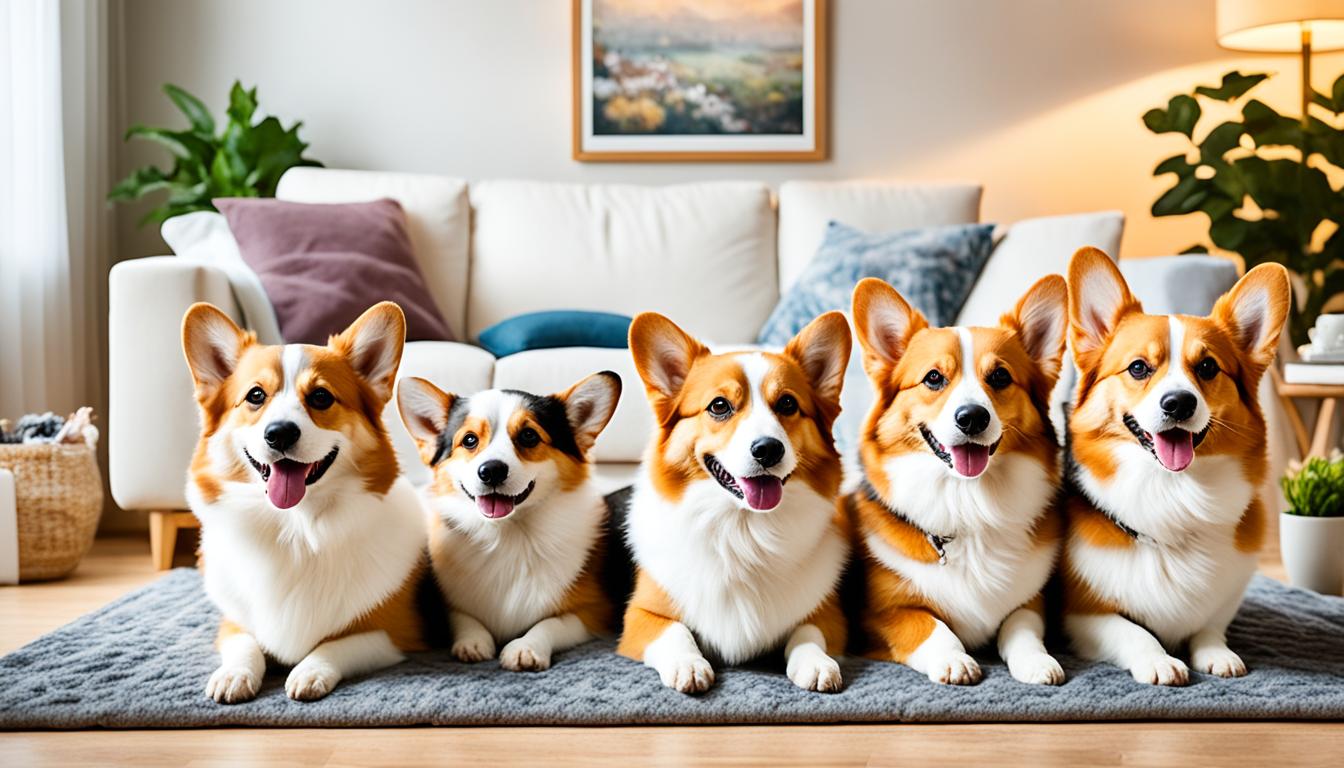

Living with multiple pets, especially Corgis, can bring immense joy and companionship. However, it also requires intentional efforts to create harmony for everyone’s comfort and safety. Do you want to know the secrets to achieving a harmonious multi-pet home with your beloved Corgis?
In this article, we will unveil three secrets that will help you establish a Corgi-friendly pet environment, promote peaceful interactions among your pets, and ensure a harmonious coexistence in your household. Get ready to unlock the secrets and create a home where your Corgis and other pets thrive in harmony!
Key Takeaways:
- Create a corgi-friendly pet environment to foster harmony in your multi-pet home.
- Promote peaceful interactions among your pets through intentional efforts and understanding their individual needs.
- Establish a stable routine and allocate individual time for each pet to ensure they feel loved and valued.
- Train and feed your pets separately to prevent conflicts and promote a peaceful coexistence.
- Provide private areas for each pet to retreat to when they need some alone time.
Advantages and Challenges of Multi-Dog Homes
Having more than one dog in your home can be a rewarding experience, but it also comes with its own set of challenges. Understanding these advantages and challenges is crucial for fostering peace and harmony among your pets. In this section, we will explore the benefits of having multiple dogs, the adjustments required when transitioning to a multi-dog household, and the five stages of togetherness.
One of the key benefits of having multiple dogs is the companionship they provide for each other. Dogs are social animals and having a furry friend can prevent them from feeling lonely or bored when you’re not around. They can engage in play sessions, go on walks, and even provide comfort to each other in times of stress.
However, introducing a new dog into an existing pack requires careful consideration and management. It’s important to ensure that all dogs involved have compatible temperaments and personalities to minimize potential conflicts.
“Adding a new member to your pack can disrupt the established hierarchy and dynamics, which may lead to some initial challenges. Patience, training, and gradual introductions are key to fostering positive relationships among your dogs.” – Dr. Emily Johnson, Canine Behavior Specialist
When transitioning to a multi-dog household, it’s crucial to provide each dog with their own space and resources. This helps prevent competition over toys, beds, and food, reducing the likelihood of conflicts. Additionally, ensuring that each dog receives individual attention and quality time with their human helps minimize feelings of jealousy and frustration.
Understanding the five stages of togetherness can also help you navigate the process of integrating multiple dogs. These stages include introduction, acclimation, tolerance, acceptance, and bond-building. Each stage requires patience, supervision, and consistent training to promote positive interactions and create a harmonious environment for all your pets.
The Five Stages of Togetherness in Multi-Dog Homes
- Introduction: This stage involves the initial meeting and interaction between your dogs. Proper introductions should be done in a neutral environment, such as a park, to minimize territorial behaviors.
- Acclimation: Dogs need time to adjust to the presence of a new pack member. During this stage, it’s important to gradually increase their exposure to each other while providing positive reinforcement and rewards for calm behavior.
- Tolerance: At this stage, dogs have started to develop a level of tolerance for each other’s presence. They may engage in play or choose to spend time together, but conflicts may still occur, especially during mealtimes or resource-related activities.
- Acceptance: Dogs in the acceptance stage have developed a level of comfort and trust with each other. They can coexist peacefully and engage in social interactions without aggression or tension.
- Bond-building: This final stage is characterized by strong bonds and friendships between your dogs. They enjoy each other’s company, engage in cooperative play, and support each other emotionally.
By being aware of the advantages and challenges of multi-dog homes and understanding the five stages of togetherness, you can create a conducive environment for your Corgis and other pets to live harmoniously. The next section will focus on establishing a stable routine, an essential aspect of maintaining a peaceful and corgi-friendly pet home.
Establishing a Stable Routine
Creating a harmonious multi-pet home requires careful consideration of the daily routine. Your pets, including corgis, thrive on routine and predictability. By establishing a stable routine, you can provide the structure and consistency needed for a peaceful coexistence. Let’s dive into the importance of a stable routine and explore the key elements that contribute to pet coexistence strategies and corgi household harmony secrets.
Consistent Exercise
Regular exercise is essential to maintain the physical and mental well-being of your pets. Daily walks, play sessions, and interactive activities not only keep your furry friends happy but also help them release excess energy. For optimal results, establish a consistent exercise routine that suits the needs and abilities of each pet. Remember, a tired pet is a content pet.
Dedicated Playtime
Playtime is not just a fun bonding experience; it also promotes socialization and healthy behavior. Allocate dedicated playtime for each pet, ensuring they have opportunities for interactive play sessions with you and other pets in the household. Rotate toys and engage in activities that cater to their individual preferences, bringing out their natural instincts and keeping them mentally stimulated.
Structured Meals
A stable routine should also include regular, structured mealtimes for your pets. Feeding them at the same time every day helps establish a sense of predictability and reduces conflicts related to food. Assign separate feeding areas for each pet, ensuring that they have their space and privacy during mealtime. This not only prevents competition but also promotes a calm and peaceful environment.
Providing Daily Alone Time
While pets enjoy companionship, it’s crucial to provide them with daily alone time, especially young dogs. This alone time promotes independence and prevents separation anxiety. Create a designated space in your home where your pets can retreat to when they need some quiet time. Whether it’s a comfortable bed, a cozy crate, or a specific room, offering solitude will benefit their overall well-being.
Remember, a stable routine creates a sense of security and comfort for your pets, allowing them to thrive in a harmonious multi-pet environment.

| Pet Coexistence Strategies | Corgi Household Harmony Secrets |
|---|---|
| Establish a consistent exercise routine | Allocate dedicated playtime for each pet |
| Have structured mealtimes | Provide daily alone time for young dogs |
Allocating Individual Time for Each Pet
Creating a harmonious multi-pet home involves ensuring that each pet receives individual attention and quality time with their human. By allocating time to each pet, you can prevent jealousy and behavioral issues, while promoting corgi-friendly interactions and overall harmony in your household.
It is essential to strike a balance between meeting the needs of each pet and taking care of yourself. Here are some tips and suggestions on how to incorporate one-on-one play and bonding time into your daily routine:
- Schedule dedicated playtime: Set aside specific time in your daily schedule to engage in play activities with each pet individually. Whether it’s tossing a ball, playing with a toy, or engaging in interactive play, this focused attention can strengthen your bond with each pet and promote positive behavior.
- Rotate one-on-one adventures: Take each pet on individual outings or adventures to provide them with unique experiences. This could include a walk in the park, a hike in the countryside, or a visit to a pet-friendly café. These outings not only provide mental and physical stimulation but also create special moments with each pet.
- Implement training sessions: Use individual training sessions as an opportunity to spend quality time with each pet. Whether you’re teaching basic commands, tricks, or advanced obedience, these sessions offer mental stimulation, improve communication, and strengthen the bond between you and your pets.
- Create cuddle time: Set aside a few minutes each day for cuddling and affectionate moments with each pet. Whether it’s snuggling on the couch, petting and grooming, or simply sitting together, these quiet moments help foster a sense of security and connection.
Remember, the goal is to provide each pet with individual attention and establish a strong bond with them. By incorporating dedicated playtime, unique outings, training sessions, and cuddle time into your daily routine, you can promote harmonious interactions between your pets, including your beloved Corgis.
Expert Tip:
“When allocating individual time for each pet, make sure to base it on their individual needs and preferences. Some pets may thrive on physical activities, while others may prefer mental stimulation or affectionate moments. Tailor the one-on-one time to suit each pet’s unique personality and preferences.”
– Jenna Carter, Professional Dog Trainer
Training and Feeding Pets Separately
When it comes to maintaining peace and preventing conflicts in a multi-pet home, training and feeding pets separately are essential pet coexistence strategies. Individual training sessions not only allow each pet to focus and learn at their own pace, but also minimize distractions that can arise when multiple pets are present. By providing dedicated training time for each pet, you can ensure that they receive the attention and guidance they need to thrive in a corgi-friendly pet environment.
During training sessions, it’s important to create a calm and quiet environment to minimize interruptions and keep the focus on learning. Find a designated space for each pet where they can have some privacy and feel comfortable. This will help them concentrate on the training exercises and build a positive association with the experience.
Feeding pets in separate areas is another effective strategy for maintaining harmony and preventing competition or resource guarding. When pets are fed together, they may feel the need to compete for food, leading to tension and potential conflicts. By providing separate feeding areas for each pet, you can ensure that they eat in a relaxed and stress-free environment.

“Feeding pets in separate areas is an important aspect of promoting a harmonious multi-pet home. It allows each pet to eat without feeling the need to compete or guard resources, creating a peaceful and corgi-friendly environment.”
Additionally, by feeding pets separately, you can monitor their individual eating habits more easily. This allows you to ensure that each pet receives the appropriate amount of food and maintain their overall health and well-being.
Pet Training and Feeding Tips:
- Establish a consistent schedule for training sessions and feeding times.
- Use positive reinforcement techniques, such as treats and praise, to motivate and reward good behavior during training sessions.
- Provide each pet with their own designated training space and feeding area.
- Minimize distractions during training sessions to enhance focus and engagement.
- Monitor each pet’s eating habits to ensure they are receiving the proper nutrition.
- Consult with a professional trainer or behaviorist for personalized advice and guidance.
By implementing these pet coexistence strategies of training and feeding pets separately, you can create a corgi-friendly pet environment and foster a harmonious atmosphere in your multi-pet home.
Providing Private Areas for Each Pet
Allowing each pet to have their private space is essential for fostering peace among pets and creating a peaceful pet home. Cats and dogs have different preferences when it comes to personal space, and providing elevated areas or designated retreats ensures that they can avoid unwanted attention and find solace when they need some alone time.
Your pets may vary in their need for privacy and solitude. Some may prefer cozy corners or enclosed spaces, while others may find comfort in elevated platforms or perches. By providing separate private areas for each of your pets, you create a sense of safety and security, allowing them to relax and recharge.
For cats, consider providing vertical spaces such as cat trees, shelves, or window perches where they can observe their surroundings from a height. These elevated areas not only provide a place for rest and relaxation but also offer a vantage point for confident observation. Additionally, providing hiding spots like covered beds or hideaway boxes can give cats a cozy retreat when they want to retreat from the world.
For dogs, you can create private spaces using dog crates, pet gates, or even repurposed furniture like end tables or bookshelves. These designated areas can serve as a safe haven where they can retreat and have uninterrupted time. Fill these spaces with comfortable bedding, toys, and items that have familiar scents to enhance their sense of security.
Even within a shared living space, it is important to offer each pet their own private area. This helps prevent potential conflicts and reduces stress, as they have a place where they can be alone and have peace of mind. It also allows them to have a break from social interactions, particularly in multi-pet households where constant companionship may become overwhelming at times.
“Each pet deserves a space of their own, a place where they can unwind and recharge. Providing private areas is not only important for their well-being but also plays a crucial role in fostering peace among pets and creating a peaceful pet home.”
Remember, creating private areas for each pet is not about segregating them or isolating them from one another. It is about offering them choices and opportunities to have their personal space within a shared environment. The ultimate goal is to provide a harmonious living situation where they can coexist peacefully and feel secure in their own corners of the home.
By dedicating specific spaces for each pet, you are showing them that you respect their individual needs and boundaries. It is an essential step towards achieving a peaceful pet home where all your furry friends can thrive.

Strategies for Creating Private Areas
Here are some strategies to help you create private areas for each pet:
- Designate specific rooms or areas of the house for each pet.
- Set up comfortable bedding, blankets, or crates in these designated areas.
- Provide elevated spaces such as cat trees, shelves, or window perches for cats.
- Use pet gates or repurposed furniture to create enclosed spaces for dogs.
- Place toys, scratching posts, or interactive items in their private areas to keep them engaged.
- Ensure that each pet has access to their designated space at all times.
Remember to observe your pets’ behavior and make adjustments as needed. Some pets may feel more comfortable in open areas, while others may prefer more enclosed spaces. Paying attention to their preferences and providing options can go a long way in promoting peace and harmony in your multi-pet home.
Supervising Interactions and Managing High Activity Times
Even in the most harmonious multi-pet homes, interactions between pets may not always go smoothly. It is important to supervise interactions, especially in the beginning, to prevent conflicts and ensure the safety of all pets involved. By closely monitoring their interactions, you can address any signs of aggression or discomfort promptly.
When introducing a new pet to the household, consider using a controlled environment, such as a playpen or leash, to prevent any potential confrontations. This allows the pets to familiarize themselves with each other’s presence while ensuring their safety. Gradually increase the duration of their interactions as they become more comfortable with each other.
High activity times, such as during holiday gatherings or parties, can be overwhelming for pets. It’s important to create a peaceful pet home by providing a safe space for each pet to retreat to. Allocate a quiet room or a designated area where they can relax and have some quiet time away from the noise and excitement.
Supervising Interactions
Supervising interactions between your pets is essential for promoting a harmonious multi-pet home. Keep an eye on their body language, ensuring that it remains friendly and non-threatening. If you notice any signs of tension or aggression, redirect their attention to a positive activity or separate them momentarily to diffuse the situation.
“Supervising interactions helps prevent conflicts and ensures the safety of all pets involved.” – Dr. Samantha Smith, Veterinarian
It’s also important to set clear boundaries and establish house rules for your pets. This can include teaching them basic obedience commands and rewarding them for good behavior. Consistency and positive reinforcement are key to promoting a peaceful coexistence among your pets.
Managing High Activity Times
During high activity times, such as holiday gatherings or parties, it’s crucial to manage the environment to prevent stress and potential conflicts. Here are some tips to help you create a peaceful pet home during these occasions:
- Designate a quiet room or area where your pets can retreat to when they need a break from the excitement. Provide comfortable bedding, toys, and water in this space to make it inviting.
- Create a calming atmosphere by playing soothing music or using a pheromone diffuser, which can help reduce anxiety and promote relaxation.
- Keep an eye on your pets’ stress levels. Signs of stress can include excessive panting, pacing, hiding, or aggression. If necessary, gently remove your pets from the environment and allow them to rest in their designated area.
- Ensure that all guests are aware of the house rules regarding interactions with your pets. Encourage them to approach your pets calmly and ask for permission before petting or engaging with them.
Remember, managing high activity times is crucial for maintaining a peaceful pet home. By creating a calm and safe environment for your pets, you can ensure their well-being and minimize potential conflicts.
| Supervising Interactions | Managing High Activity Times |
|---|---|
| Keep a close eye on body language | Designate a quiet room or area for pets to retreat to |
| Redirect attention and diffuse tense situations | Create a calming atmosphere with soothing music or pheromone diffusers |
| Set clear boundaries and establish house rules | Monitor pets’ stress levels and provide breaks as needed |

Promoting Impulse Control and Calm Behavior
Impulse control and calm behavior play a crucial role in creating a harmonious multi-pet home. By teaching your pets, including Corgis, to stay calm and composed even during exciting moments, you can foster a peaceful and balanced environment. In this section, we will introduce effective exercises and techniques to promote impulse control and calm behavior, ensuring a harmonious coexistence among your furry friends.
The benefits of teaching impulse control
Impulse control training has numerous benefits for both you and your pets. When your pets learn to exercise self-control and make calm choices, they are less likely to engage in behaviors that may disrupt the harmony of your home. From preventing resource guarding to reducing territorial aggression, promoting impulse control helps ensure a safe and peaceful environment for all the pets in your household.
Teaching calm behavior during exciting moments
One of the most challenging situations for pets to maintain their composure is during exciting moments, such as going outside for a walk. To help your Corgis and other pets stay calm and focused, it is essential to establish consistent training routines. Start by creating a calm and relaxed atmosphere before opening the door. Encourage your pets to sit or lie down and wait patiently for permission to go outside.
“Training your pets to stay calm and in place when the door is opened ensures a controlled and peaceful transition to the outside world.” – Pet Behavior Expert, Emily Thompson
Step-by-step guidance for training calm behavior
To effectively train your pets to exhibit calm behavior, follow these steps:
- Create a calm environment: Before starting training sessions, ensure the training area is free from distractions and noise.
- Teach the “Wait” command: Begin by teaching your pets the “wait” command, which requires them to stay in one place until given permission to proceed.
- Gradually increase distractions: Once your pets have mastered the “wait” command in a controlled setting, start introducing gradual distractions, such as opening the door or calling their names from a distance.
- Reward calm behavior: Praise and reward your pets when they remain calm and composed during training sessions. Positive reinforcement strengthens desired behaviors.
- Practice consistency: Consistency is key in training. Incorporate these exercises into your daily routine to reinforce calm behavior over time.
By implementing these training exercises and techniques, you can help your pets, especially your Corgis, develop impulse control, stay calm during exciting moments, and contribute to a harmonious multi-pet home. Remember, patience and consistency are essential for successful training. With time and practice, you will create a peaceful environment where all your pets can coexist happily.
Conclusion
Creating a harmonious multi-pet home requires intention, effort, and understanding. By incorporating the three secrets shared in this article, you can establish a corgi-friendly pet environment and promote peace and harmony among your pets.
First, maintaining a stable routine is essential. Establish consistent exercise, playtime, and meal times for all your pets, including your Corgis. Providing daily alone time for young dogs also promotes independence and prevents separation anxiety.
Allocating individual time for each pet is another important aspect. Make sure to balance meeting their needs while still taking care of yourself. By incorporating one-on-one play and bonding time into your daily routine, you can foster harmonious interactions among all your pets.
Additionally, training and feeding pets separately play a crucial role in maintaining peace. Individual training sessions and separate feeding areas help minimize competition and resource guarding. By providing private areas for each pet and supervising interactions, you can further ensure a peaceful environment. Encouraging impulse control and calm behavior through training exercises is also vital.
By implementing these multi-pet harmony tips and harmonizing multiple pets with corgis, you can create a peaceful and corgi-friendly environment for all your pets to thrive in.
FAQ
What are the three secrets to achieving harmonious multi-pet homes with Corgis?
What are the advantages and challenges of multi-dog homes?
Why is establishing a stable routine important for a harmonious multi-pet home?
What is the significance of allocating individual time for each pet?
Why is training and feeding pets separately important in a multi-pet home?
How can I provide private areas for each pet?
How important is it to supervise interactions and manage high activity times?
How can I promote impulse control and calm behavior in a multi-pet home?
What are the key strategies for creating a harmonious multi-pet home with Corgis?
Source Links
- https://www.doggoneproblems.com/riley-bailey-killian-draco-calm-at-door/
- https://dogsthat.com/podcast/14/
- https://www.akc.org/expert-advice/training/multiple-pet-issues/

Carlos is the passionate founder and primary author behind “CorgisCorner.com,” a website dedicated to all things related to the beloved Corgi breed. Born and raised in a small town known for its strong sense of community and love for animals, Carlos developed a deep affection for Corgis from a young age. This love was sparked by his childhood companion, a spirited and loyal Corgi named Toby, who was a constant source of joy and friendship.