

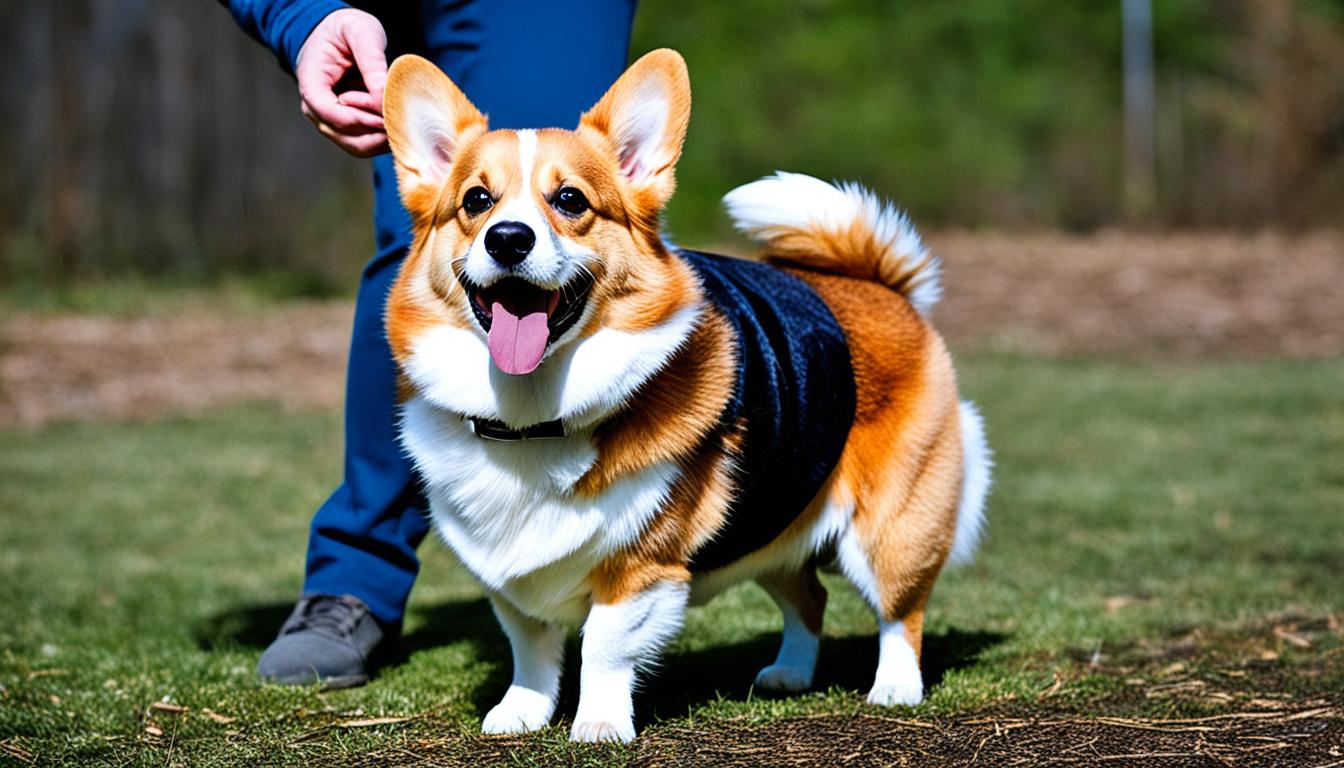

Have you ever wondered what your Corgi is trying to tell you? Canines have a unique way of communicating their emotions and intentions, and deciphering their body language can deepen the bond between you and your furry friend. But how can you effectively interpret their signals?
In this beginner’s guide to Corgi behavior, we will explore the fascinating world of Corgi body language and help you understand what your pup is trying to communicate. From tail wagging to raised hackles, posture to facial expressions, we’ll decode their signals and give you valuable insights into your Corgi’s thoughts and feelings.
Whether you’re a seasoned Corgi owner or considering welcoming one into your home, this guide will equip you with the knowledge and understanding to navigate the subtleties of Corgi communication. Are you ready to become fluent in the language of Corgis?
Key Takeaways:
- Understanding Corgi body language can strengthen the bond between you and your four-legged companion.
- Observing tail wagging, raised hackles, posture, facial expressions, and eye contact can provide valuable insights into your Corgi’s emotions.
- Interpreting multiple signals together is key to decoding your Corgi’s body language accurately.
- By understanding their body language, you can anticipate your Corgi’s behavior and prevent potential problems or conflicts.
- Stay tuned for our guide on deciphering the intricacies of Corgi body language!
Interpreting Tail Wagging
Tail wagging is a commonly recognized behavior in dogs. Many people assume that a wagging tail signifies a happy dog, but in reality, it’s more complex than that. Tail wagging is an expression of emotional arousal rather than a definitive marker of happiness. Understanding the nuances of tail wagging can help you decode your Corgi’s emotions and intentions.
A dog’s tail wagging can vary in speed, direction, and position, offering valuable insights into their state of mind. A relaxed, contented dog will exhibit a slow, side-to-side wag that involves the whole body. This continuous, gentle wag is often synonymous with happiness and relaxation.
On the other hand, a faster, twitch-like wag indicates a higher level of arousal. It can be a sign of excitement, anticipation, or even frustration. It’s essential to interpret the dog’s overall body language and context to understand the specific emotions associated with the tail’s speed and intensity.
Direction is another factor to consider. Dogs tend to wag their tails more to the right when feeling positive and more to the left when facing something negative. Scientific research has shown that the left brain hemisphere controls the right side of the body, which is associated with positive emotions, while the right brain hemisphere controls the left side of the body, which is associated with negative emotions.
The position of the tail relative to the ground is yet another vital cue. A tail held high and wagging is a sign of confidence and assertiveness. It often accompanies a dog that is alert, in control, or asserting its dominance. Conversely, a lower or tucked tail indicates fear, uneasiness, or stress. A dog may tuck its tail between its hind legs as a defensive response or when feeling threatened.
To better illustrate the different tail positions, speed, and directions and what they might indicate, here is a helpful table:
| Tail Position | Tail Speed | Tail Direction | Emotional State |
|---|---|---|---|
| Relaxed, slightly raised | Slow, gentle | Side-to-side | Content, relaxed, happy |
| Horizontal | Moderate | Side-to-side | Alert, interested |
| High, rigid | Fast | Stiff, jerky | Excitement, arousal, aggression |
| Lowered, tucked between legs | Slow | N/A | Fear, stress |
Remember that every dog is unique, and tail wagging should always be observed in conjunction with other body language cues for a comprehensive understanding of your Corgi’s emotional state. By paying close attention to your Corgi’s tail position, speed, direction, and overall body language, you can form a deeper connection and ensure their well-being.
Understanding Raised Hackles
When it comes to understanding dog body language, one of the key signals to look out for is raised hackles. Raised hackles refer to the hair along a dog’s back standing up, giving them a puffed-up appearance. While this can be an alarming sight for some, it doesn’t necessarily indicate aggression or hostility. In fact, raised hackles can be a sign of various emotions, including being upset, stressed, excited, or intensely interested in something.
The phenomenon of raised hackles is similar to the human experience of goosebumps. It is an involuntary physical reaction triggered when a dog’s sympathetic nervous system is activated. This response, also known as piloerection, causes the hair follicles to contract, resulting in the raised appearance of the fur. Just like humans getting goosebumps, dogs can’t control this reaction.
It’s important to note that raised hackles alone shouldn’t be taken as the sole indicator of aggression. Dogs raise their hackles in a variety of situations, and it’s essential to consider other body language cues and the overall context. Pay attention to factors such as the dog’s facial expressions, tail position, and general demeanor.
When a dog’s hackles are up, it’s crucial to take a holistic view of their body language to understand their emotional state. If accompanied by growling, lunging, or other aggressive behaviors, it may signal that the dog feels threatened or is preparing to defend itself. However, in other situations, raised hackles can simply indicate heightened arousal and interest in the environment.
Ultimately, context is key when interpreting a dog’s raised hackles. Every dog is an individual, and their body language may vary. Understanding your specific Corgi’s behavior cues and personality will help you differentiate between hackles raised in excitement versus those raised due to fear or aggression.
“Raised hackles are just one piece of the puzzle when it comes to understanding a dog’s emotional state. It’s essential to consider the bigger picture and observe other body language signals along with raised hackles.”
By observing your Corgi’s body language and paying attention to their raised hackles, you can gain greater insights into their emotions and responses to different situations. Remember, a comprehensive understanding of your Corgi’s body language will help you build a stronger bond and communicate effectively with your furry companion.
Situations that may cause raised hackles in a dog:
- Encountering unfamiliar people or animals
- Feeling threatened or intimidated
- Excitement and enthusiasm
- Heightened interest or curiosity
- Stress or anxiety
Remember that the physical appearance of raised hackles should not be the sole factor in evaluating a dog’s behavior. Always consider the overall context and other body language cues to accurately interpret your Corgi’s emotions and intentions.
| Body Language Signal | Meaning |
|---|---|
| Raised Hackles | Arousal, heightened interest, or emotional response |
| Accompanied by growling, lunging, or other aggressive behaviors | Threatened or defensive |
| Accompanied by relaxed body, wagging tail, soft eye contact | Excitement or enthusiasm |
| Accompanied by cowering, flattened posture, and avoidance | Fear or anxiety |
Deciphering Posture
A dog’s posture can provide valuable insights into their mood and intention. By paying attention to their body language, you can better understand what your Corgi is trying to communicate.
When a dog is feeling fearful or stressed, they may exhibit a cowering posture with a hunched back and lowered head. This posture often indicates a desire to avoid conflict or potential danger. It’s important to create a safe and comforting environment for your Corgi if you notice them assuming this posture.
On the other hand, if a dog rolls onto their back, it can be a sign of appeasement or submission. This behavior is often displayed when a dog is faced with a perceived threat or displays considerable stress. It’s crucial to approach a dog in this posture with caution and ensure they feel safe and secure.
Shifting their weight forward is another notable posture that dogs may adopt. When a dog shifts their weight forward, it typically indicates interest or offensive intentions. This posture suggests that the dog may be curious, excited, or preparing to engage in a playful manner.
The play bow is a clear signal for initiating play. It involves the dog lowering their front chest to the ground while keeping their rear end elevated. This posture signifies the dog’s intention to engage in a friendly and playful interaction. Recognizing and responding to the play bow can help foster positive socialization and strengthen the bond between you and your Corgi.
Additionally, a raised paw often indicates uncertainty or insecurity in a given situation. Dogs may raise their paw to express their need for reassurance, exhibit cautious behavior, or signal their submissive state. Understanding the meaning behind a raised paw can help you respond appropriately and provide the support your Corgi requires.
Example of dog posture:
| Posture | Meaning |
|---|---|
| Cowering with hunched posture | Fear or stress |
| Rolling onto back | Appeasement or considerable stress |
| Shifting weight forward | Interest or offensive intentions |
| Play bow | Initiating play |
| Raised paw | Uncertainty or insecurity |
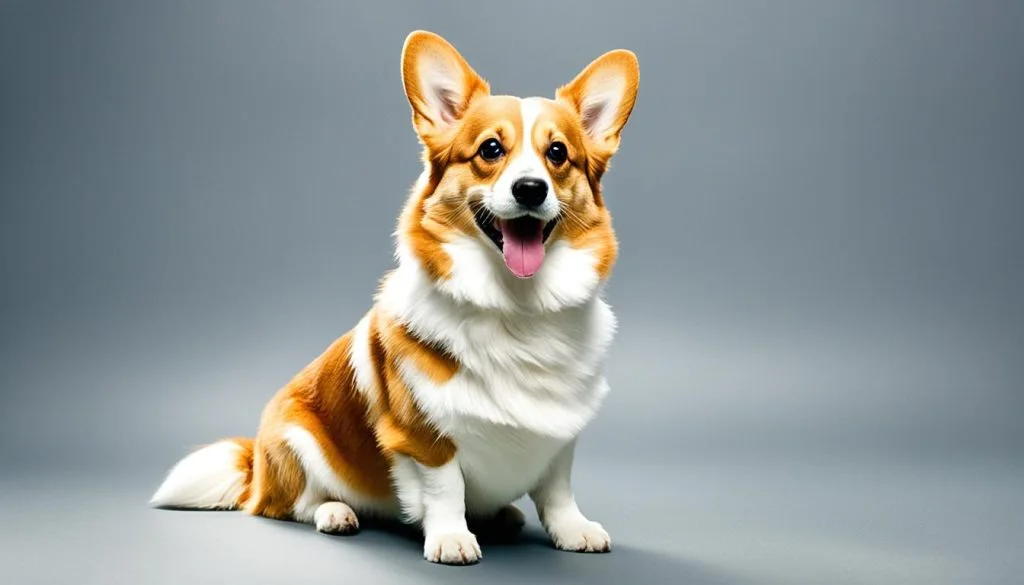
Understanding your Corgi’s posture can provide valuable insights into their emotions and intentions. By observing their body language and responding appropriately, you can ensure your Corgi feels safe, secure, and understood.
Analyzing Facial Expressions
Dogs have facial expressions similar to humans but use them in different ways. Understanding your dog’s facial expressions can help you interpret their emotions and communicate effectively with them. Let’s take a closer look at some key facial expressions and what they mean.
Yawning
Yawning is a common behavior in dogs, and it serves as a communication signal. It is not always a sign of tiredness or boredom; rather, dogs often yawn to calm themselves in tense situations and to calm others around them. It can be a way for them to diffuse stress or anxiety. So, if you notice your dog yawning, pay attention to the context and try to identify if there is anything causing them discomfort or unease.
Lip-licking
Lip-licking is another facial expression that dogs use to communicate. It can indicate discomfort, anxiety, or nervousness. Dogs may lick their lips when they feel stressed or when they are trying to appease a situation. It is important to pay attention to the overall body language of your dog when they exhibit this behavior to understand the underlying emotions behind it.
Smiling
When it comes to dog facial expressions, smiling can be a bit tricky. Dogs do “smile,” but the meaning behind it depends on the overall attitude and body posture. A relaxed and happy dog may show a “smile” with a relaxed open mouth and a slightly lifted corner of the lips. On the other hand, if a dog accompanies their “smile” with tense body language, such as a stiff posture or growling, it can indicate aggression or discomfort. It’s crucial to consider the context and other signals before interpreting a dog’s smile.
Soft Eyes and Hard Eyes
Dogs also communicate through their eyes. Soft eyes with relaxed lids indicate a calm or content state. When your dog’s eyes appear soft and relaxed, it is a positive sign. However, if their eyes appear hard with a fixed or intense gaze, it can indicate a negative state of mind. Dogs exhibit hard eyes when they feel threatened, stressed, fearful, or aggressive. It’s important to be mindful of your dog’s eye expression to understand their emotional state.
Whale Eye
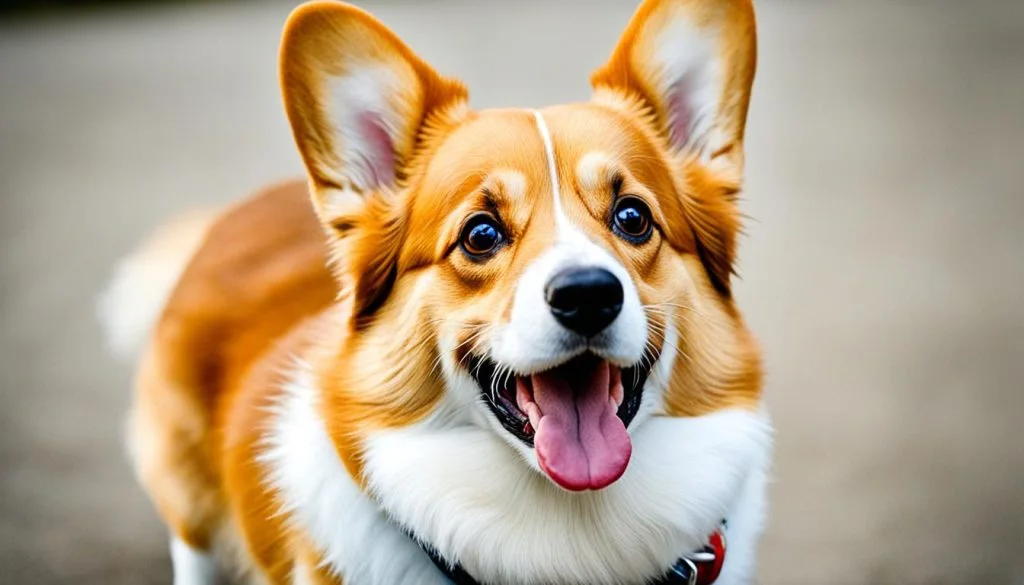
The “whale eye” refers to the white of a dog’s eye showing, often seen in a wide-eyed or sideways glance. It is a subtle behavior that indicates anxiety or stress. Dogs may show whale eye when they are feeling uncomfortable or scared. Pay attention to this facial expression, as it can provide insights into your dog’s emotional well-being.
| Facial Expression | Meaning |
|---|---|
| Yawning | Calming signal, stress relief |
| Lip-licking | Discomfort, anxiety |
| Smiling | Context-dependent, can indicate relaxation or aggression |
| Soft Eyes | Relaxed, calm state |
| Hard Eyes | Threatened, stressed, fearful, or aggressive state |
| Whale Eye | Anxiety, stress |
Understanding and interpreting your dog’s facial expressions can deepen your understanding of their emotional state. By paying attention to these subtle cues, you can better communicate with your furry friend and provide them with the comfort and support they need.
Decoding Dog Sounds: Barking
Dogs are known for their ability to communicate through various sounds, with barking being one of their most common vocalizations. Barking serves as a powerful means of conveying different messages, including alertness, joy, fear, and even territorial warnings. Understanding the meaning behind a dog’s bark requires paying attention to not only the sound itself but also the pitch, body language, and tail behavior.
The Different Dog Barks
Just like humans use different tones of voice to express various emotions, dogs have different types of barks to convey different messages. Here’s a breakdown of a few common types of dog barks:
- Alert Barks: These barks are sharp and abrupt, usually indicating that the dog has noticed something out of the ordinary or is on high alert.
- Joyful Barks: Joyful barks are typically high-pitched, rapid, and accompanied by a wagging tail. Dogs may use these barks during play, when they’re excited, or when they’re greeting their owners.
- Fearful Barks: Fearful barks are often accompanied by body language indicating apprehension or stress. They tend to be low-pitched and repetitive, serving as a warning to potential threats.
By paying attention to the different qualities of barks, you can gain a better understanding of your dog’s emotional state and intentions.
Pitch and Body Language
The pitch of a dog’s bark can provide valuable clues about their emotional state. Higher-pitched barks often indicate excitement, enthusiasm, or even fear, while lower-pitched barks can suggest aggression or a more serious threat. The context and accompanying body language are essential in interpreting the meaning behind the bark.
Tail Behavior
A dog’s tail behavior can further enhance the understanding of their barking. A wagging tail accompanying a bark may indicate friendliness or playfulness, while a rigidly held tail with a bark might suggest aggression or a warning. Tail position and movement must be considered alongside the sound of the bark to get a complete picture of the dog’s communication.
Decoding a dog’s bark is not an exact science, but by observing the pitch, body language, and tail behavior, you can gain valuable insight into their emotions and intentions. This understanding can help you respond appropriately and strengthen your bond with your canine companion.
Summary
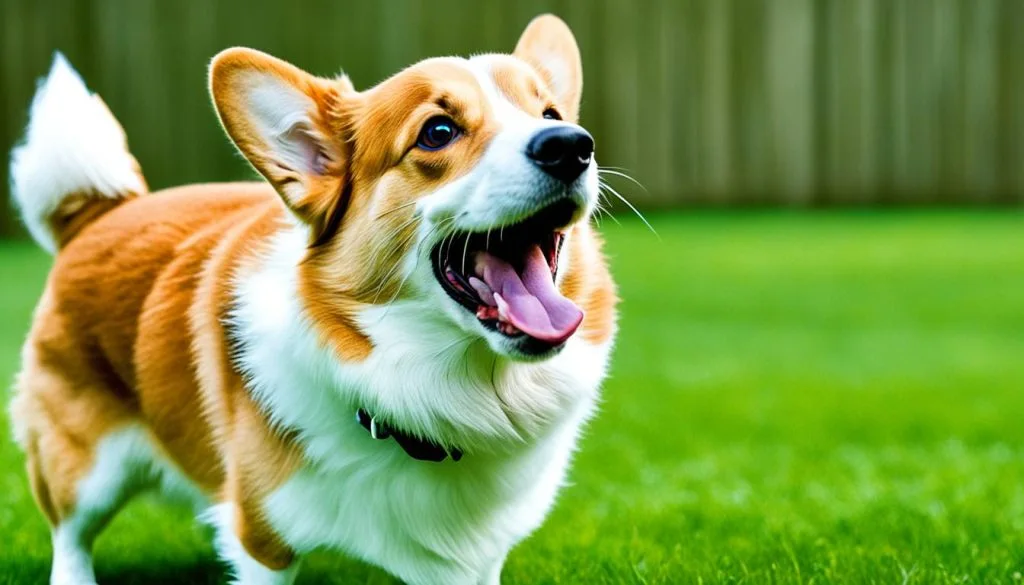
Barking is a fundamental way for dogs to communicate their needs, emotions, and intentions. By paying attention to the different types of barks, the pitch, and the accompanying body language, you can decipher the messages behind your dog’s vocalizations. Understanding your dog’s barks will not only deepen your connection but also enable you to respond to their needs more effectively.
Understanding Dog Sounds: Whining
Dogs have a unique way of communicating their needs and emotions, and one of the sounds they often make is whining. A dog’s whining can serve different purposes and convey various messages, including their desires, fears, and even pain. Understanding the context and accompanying body language is key to deciphering the meaning behind a dog’s whine.
The Need for Attention
Whining is often a way for dogs to express their desire for attention. Whether they want to play, go outside, or simply seek affection, dogs will use whining as a means to communicate their needs. If your dog is whining persistently and displaying other signs of restlessness or excitement, it might be an indication that they are seeking your attention and companionship.
Expressing Fear or Anxiety
Whining can also be a sign of fear or anxiety in dogs. When faced with unfamiliar or threatening situations, dogs may emit high-pitched cries to express their discomfort and stress. Additionally, separation anxiety can cause dogs to whine excessively when left alone, as they feel distressed and anxious without their human companions.
Indicating Pain or Discomfort
In some cases, whining may be a clear indicator of physical pain or discomfort. Dogs who are experiencing pain or illness may emit high-pitched whines or cries to communicate their distress. If your dog’s whining appears to be accompanied by signs of discomfort, such as limping, loss of appetite, or lethargy, it is crucial to seek veterinary care to address their health needs.
Interpreting the Body Language
When attempting to understand a dog’s whining, it is essential to consider their accompanying body language. Dogs whining in pain may exhibit signs of distress, such as a hunched posture, panting, or licking the affected area. Whines for attention may be accompanied by an expectant gaze, wagging tail, or pawing behavior. By observing the overall behavior and body language, you can gain valuable insights into the underlying meaning behind their whine.
To better understand the various aspects of whining in dogs, refer to the table below:
| Whining Behavior | Possible Meaning |
|---|---|
| A high-pitched cry with cowering body posture | Indicates fear or intense anxiety |
| Whining while exhibiting signs of illness or injury | Potential pain or discomfort |
| Whining with excited body language and a wagging tail | Expressing the need for attention or play |
| Whining accompanied by restlessness when left alone | Signifies separation anxiety |
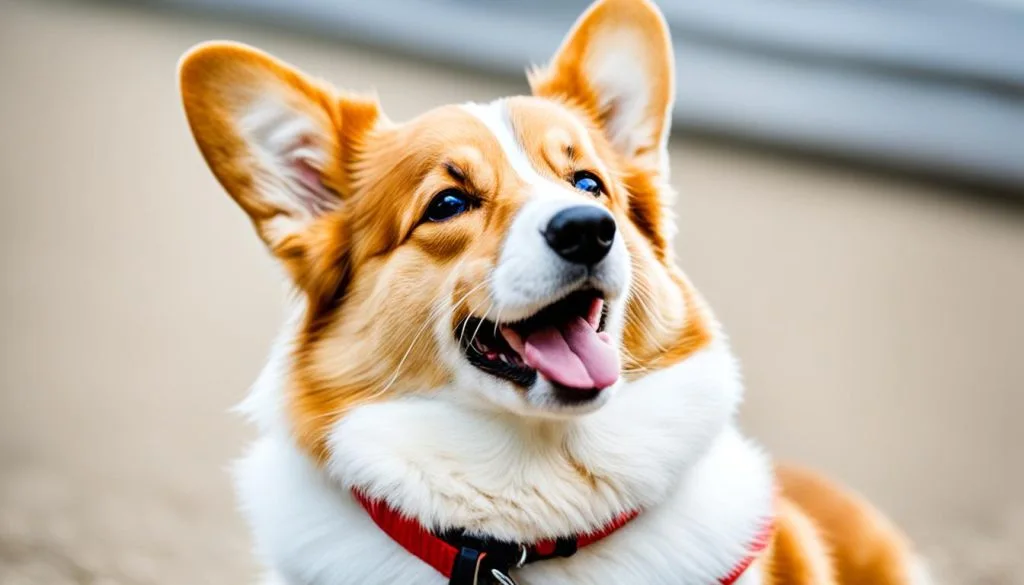
Remember, each dog is unique, and their whining behavior may differ based on their personality, breed, and personal experiences. By paying attention to their vocalizations, context, and body language, you can better understand and respond to your furry friend’s needs, ensuring their well-being and strengthening your bond.
Deciphering Howling and Purring
Canine communication goes beyond barks and whines. Dogs also express themselves through other vocalizations like howling, purring, growling, and even singing. Let’s explore the meanings behind these unique sounds:
Howling
Howling is a powerful form of vocalization for dogs. It serves various purposes, such as communication, expressing their emotions, and yes, claiming territory. Howling can be a response to certain stimuli, like other dogs howling or sirens in the distance. It’s also a way to attract attention or call for their pack members. So the next time your dog lets out a soulful howl, remember that they’re simply expressing themselves in their own unique way.
Purring
Purring in dogs is not exclusive to cats. Some dogs produce a rumbling sound, similar to a cat’s purr, when they’re happy or excited. It’s a joyful expression that often accompanies moments of relaxation and contentment. Just like a purring cat, a purring dog can be a great companion to have around, spreading positive vibes and love.
Growling
Growling in dogs can have various meanings depending on the context. It can be a sign of fear, anger, aggression, possessiveness, or playfulness. It’s essential to consider the accompanying body language and overall behavior to correctly interpret a dog’s growl. For example, growling during play can indicate excitement and a desire for interactive fun, while growling with a stiff body posture may signal a warning sign of discomfort or anger. Understanding the context and the dog’s body language is key to understanding the intent behind the growl.
Singing
Believe it or not, some dogs enjoy singing along to certain sounds or music. They may howl or bark in a specific rhythm or melody, creating a harmonious duet with their human companions. This unique behavior showcases their vocal range and adds a touch of entertainment to their charismatic personalities. So, if you and your furry friend have a favorite tune, don’t be surprised if they join in with their own music.
The Importance of Eye Contact
When it comes to understanding dog communication, eye contact plays a crucial role. Dogs use their eyes to convey emotions and intentions, offering valuable insights into their state of mind. By paying attention to their eye contact, you can better understand your canine companion and strengthen your bond. Let’s explore the significance of eye contact in dog communication.
Soft Eyes: A Signal of Calmness and Happiness
Soft eyes refer to a relaxed gaze with partially closed eyelids. When your dog looks at you with soft eyes, it signals a state of calmness and contentment. It indicates that your dog is comfortable and at ease in your presence, fostering a positive connection between you two.
Hard Eyes: A Negative State of Mind
In contrast, hard eyes are a sign of tension or negativity. Dogs with hard eyes have a fixed and intense stare, often accompanied by stiff body language. It may suggest that your dog is feeling defensive, anxious, or even aggressive. It’s essential to approach a dog with hard eyes cautiously and create a safe and calm environment for both of you.
Whale Eye: A Clue to Anxiety and Stress
The whites of a dog’s eyes, known as whale eye, can reveal a higher level of anxiety or stress. When your dog avoids direct eye contact and you notice a significant portion of the white showing, it’s an indication that your dog is uneasy or uncomfortable in the situation. Recognizing whale eye can help you identify potential stressors and make necessary adjustments for your dog’s well-being.
Remember, not all dogs are comfortable with prolonged eye contact, especially if they’ve had negative experiences in the past. Some dogs may look away or avoid eye contact altogether to communicate their discomfort. Respect their boundaries and give them space when needed.
By paying attention to your dog’s eye contact and understanding its significance, you can deepen your connection and ensure effective communication. Soft eyes indicate a relaxed and happy state, while hard eyes and whale eye can signal stress or discomfort. Remember to observe your dog’s overall body language and context to interpret their eye contact accurately. By doing so, you’ll foster a stronger bond and create a harmonious relationship with your canine companion.
Decoding Dog Body Language: Putting It All Together
Understanding dog communication goes beyond individual signals. To truly grasp what your Corgi is trying to convey, it’s crucial to observe multiple signals together. Dog body language involves a combination of tail wagging, raised hackles, posture, facial expressions, and eye contact – all working in harmony to express their emotions and intentions.
By paying attention to these various cues, you can gain deeper insights into your Corgi’s mindset. It enables you to develop a stronger bond of trust and respect, promoting a healthier and more fulfilling relationship with your furry friend.
Let’s take a closer look at how these signals interrelate:
Tail Wagging and Posture
Tail wagging is not always a straightforward indicator of happiness. When interpreting this signal, consider your Corgi’s overall posture. Is their body relaxed or tense? A relaxed dog will typically have a slow, side-to-side wag involving the whole body, indicating contentment.
Alternatively, a faster, twitch-like wag may suggest higher arousal levels. The position of the tail relative to the ground also provides valuable insights. A higher tail indicates assertiveness, while a lower or tucked tail signifies fear or stress.
Raised Hackles and Facial Expressions
When a dog’s hackles are raised, it’s a sign that they are emotionally stirred. However, raised hackles alone don’t necessarily indicate negativity. Assess the context alongside other signals to accurately interpret your Corgi’s emotions.
Facial expressions play a vital role in understanding dog body language. Is your Corgi displaying soft eyes with relaxed lids, indicating calmness and happiness? Or are their eyes hard, revealing a negative state of mind?
Eye Contact and Vocalizations
Eye contact is another significant aspect of dog communication. While direct eye contact can express trust and connection, it can also signify dominance or aggression in certain situations. In contrast, avoiding eye contact or looking away often denotes discomfort or stress.
Dogs use vocalizations alongside body language to convey their message. Barks, whines, and growls can have different meanings based on tone, pitch, and accompanying body language. Pay attention to these vocal cues as they complement other signals.
The Importance of Observing Multiple Signals
Understanding dog body language requires observing and interpreting multiple signals in conjunction. By analyzing tail wagging, raised hackles, posture, facial expressions, eye contact, and vocalizations collectively, you can gain a more comprehensive understanding of your Corgi’s emotions and intentions.
Observing multiple signals is vital because individual cues may have different interpretations based on context. By looking at the bigger picture, you can decipher your Corgi’s true emotions and respond accordingly, fostering effective communication and strengthening your bond.
Conclusion
Decoding Your Corgi’s Body Language is a fundamental aspect of understanding and connecting with your furry companion. By carefully observing and interpreting their tail wagging, raised hackles, posture, facial expressions, eye contact, and vocalizations, you can gain valuable insights into their emotions and intentions.
A Beginner’s Guide to Corgi Behavior starts with understanding their body language cues. This guide has provided you with a comprehensive overview of the various signals your Corgi may display, and how to interpret them. By paying attention to these subtle cues, you can build a stronger bond and effectively communicate with your Corgi.
Decoding Your Corgi’s Body Language not only fosters a deeper understanding of your pet, but it also allows you to anticipate their behavior, pre-empt problems, and prevent conflicts. It is an ongoing process that requires patience, attentiveness, and a willingness to learn.
So, the next time you interact with your Corgi, take a moment to observe and decode their body language. By doing so, you’ll be able to better respond to their needs, provide them with a safe and comfortable environment, and strengthen the unique bond you share with your four-legged friend.
FAQ
What is Corgi body language?
What does tail wagging mean in Corgis?
What do raised hackles indicate in Corgis?
How can I interpret a Corgi’s posture?
What do facial expressions tell us about Corgis?
What do different barks mean in Corgis?
What do Corgi whines signify?
Do Corgis howl or purr?
How important is eye contact in Corgis?
How do I decode Corgi body language?
Why is it important to understand Corgi behavior?
Source Links
- https://www.akc.org/expert-advice/advice/how-to-read-dog-body-language/
- https://www.purina.co.uk/articles/dogs/behaviour/understanding-dogs/understanding-dog-body-language
- https://www.akc.org/expert-advice/advice/canine-communication-deciphering-different-dog-sounds/

Carlos is the passionate founder and primary author behind “CorgisCorner.com,” a website dedicated to all things related to the beloved Corgi breed. Born and raised in a small town known for its strong sense of community and love for animals, Carlos developed a deep affection for Corgis from a young age. This love was sparked by his childhood companion, a spirited and loyal Corgi named Toby, who was a constant source of joy and friendship.