

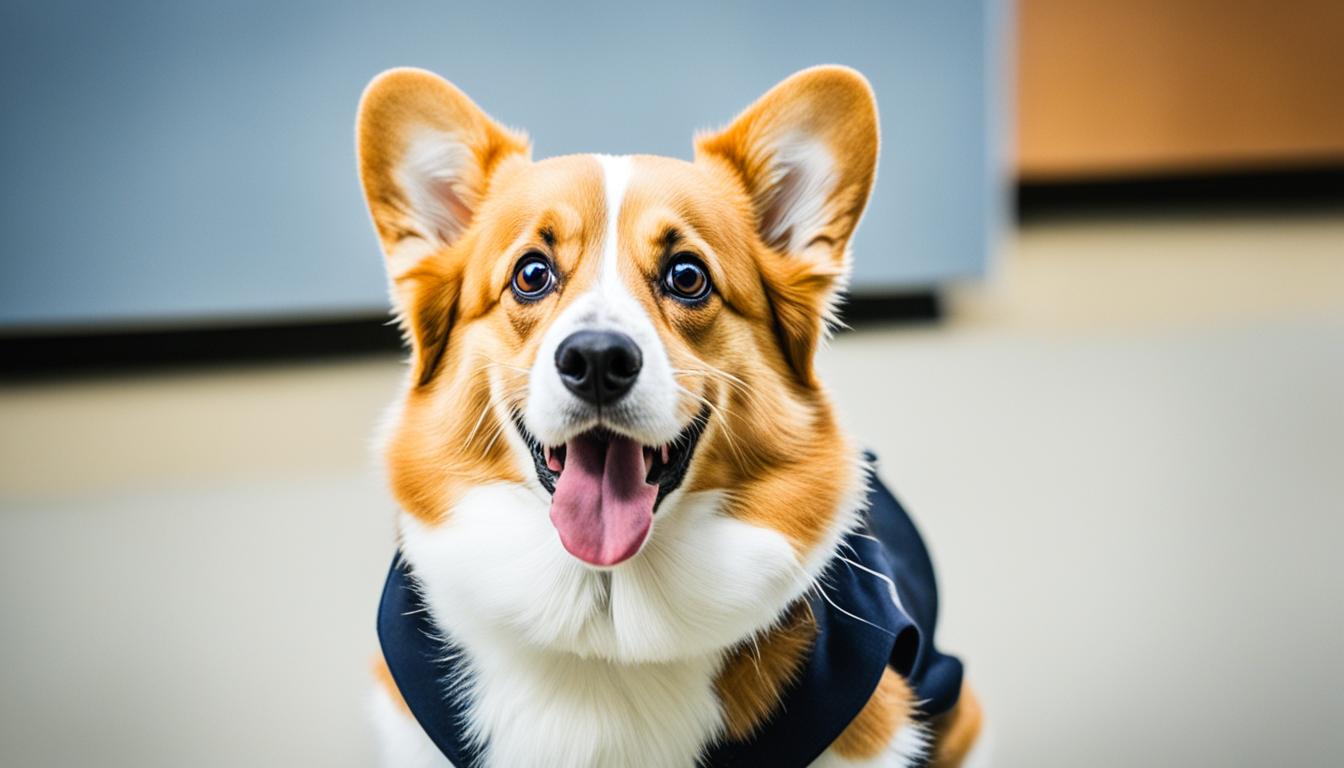

Have you ever struggled to understand what your Corgi is trying to tell you? Do you wish you could communicate with your furry friend more effectively? Look no further! In this comprehensive guide, we will delve into the world of Corgi body language and provide you with valuable insights to decode their communication cues. By understanding their nonverbal signals, you can establish a deeper bond with your Corgi and prevent behavioral issues.
Decoding Corgi body language can be challenging, as dogs primarily rely on nonverbal cues to convey their emotions and intentions. And with Corgis having their own unique breed traits, it’s essential to understand their specific body language to connect with them on a deeper level.
So, what does it mean when your Corgi wags its tail? Can you really tell if they’re happy just by looking at their tail? Is direct eye contact always a good thing? We will answer these questions and more in this article, equipping you with the knowledge to interpret your Corgi’s body language accurately.
Key Takeaways:
- Understanding Corgi body language is crucial for effective communication and preventing behavioral issues.
- Dogs primarily communicate through nonverbal cues, making it essential to decipher their body language.
- Tail wagging, hackles, posture, facial expressions, eye contact, ears, mouth, and body muscles all provide valuable insights into a Corgi’s emotional state.
- Interpreting Corgi body language requires considering the overall context and observing multiple cues together.
- By applying your knowledge of Corgi body language, you can enhance communication, strengthen your bond, and prevent behavioral problems.
Why Dog Body Language Matters
Dog body language is a fundamental aspect of their communication with humans and other animals. While we rely on verbal communication, dogs primarily express themselves through nonverbal cues. Understanding and interpreting their body language is essential for comprehending their emotions, intentions, and needs. This knowledge becomes even more significant when it comes to Corgis, as their specific breed traits may influence their body language.
By learning to decipher Corgi body language, you can develop a deeper understanding of your beloved pet and strengthen your bond. Paying attention to their nonverbal cues allows you to respond appropriately to their needs and ensures their well-being.
Here are some essential tips for understanding and interpreting dog body language:
- Observe their stance and posture: A confident dog will have a relaxed and upright posture, while a fearful or submissive dog may lower its body or cower. Understanding these different postures can help you gauge their emotional state.
- Pay attention to their tail: A wagging tail doesn’t always mean a dog is friendly or happy. The position and speed of the wag can convey different emotions. For example, a slow wag with the tail held mid-height indicates relaxation, while a high and fast wag may indicate excitement or alertness.
- Look at their facial expressions: Dogs use their facial muscles to express various emotions. Raised eyebrows, tense lips, or a wrinkled forehead may indicate anxiety or aggression. On the other hand, relaxed facial muscles and soft eyes suggest a calm and content dog.
- Consider their ear position: Dogs adjust their ears according to their mood. Raised ears signify attentiveness and interest, while flattened or backward-facing ears may indicate fear or submission.
- Take note of their eye contact: Direct eye contact can be seen as a challenge or threat in the dog world. Dogs that avoid eye contact may be indicating submission or discomfort.
Understanding your Corgi’s body language is key to strengthening your relationship and enriching their lives. By learning to read their nonverbal cues, you can ensure effective communication and establish trust with your furry friend.
Understanding the Significance of Corgi Body Language
Corgis, known for their unique breed traits, have distinct body language cues that may differ from other dog breeds. Their low stature, alert expressions, and herding instincts all influence their body language. Being aware of these specific cues will help you better understand your Corgi’s emotions, needs, and reactions.
Awareness of your Corgi’s body language allows you to anticipate any potential behavioral issues and address them proactively. By interpreting their nonverbal cues accurately, you can create a safe environment that fosters trust and minimizes misunderstandings.
Interpreting Dog Body Language: Tips and Resources
It is crucial to educate yourself on dog body language to ensure effective communication with your Corgi. By studying resources such as books, online guides, and professional training programs, you can deepen your understanding of canine behavior and better interpret nonverbal cues.
Here are some recommended resources to expand your knowledge:
| Resource | Description |
|---|---|
| Corgis Unleashed: The Ultimate Corgi Training and Behavior Guide | A comprehensive book that explores Corgi behavior and includes practical training tips. |
| Dog Decoder App | A user-friendly mobile app that helps you decipher your dog’s body language and understand their needs. |
| “Canine Body Language: A Photographic Guide” | A detailed book filled with photos that visually depict canine body language to aid in interpretation. |
By honing your observation skills and utilizing the wealth of resources available, you can become a proficient interpreter of your Corgi’s body language. This knowledge will enhance your communication abilities, strengthen your bond, and create a harmonious and fulfilling relationship with your furry companion.
Decoding Tail Wagging
Tail wagging is a common form of dog communication, but it is often misunderstood. Contrary to popular belief, wagging does not always indicate happiness. The speed, direction, and position of a dog’s tail can provide valuable insights into their emotional state.
For example, a relaxed dog will have a slow, side-to-side tail wag that involves the entire body. On the other hand, a faster, twitch-like wag may signify higher arousal or even aggression.
Additionally, the direction of the wag can indicate positive or negative emotions, with rightward wags associated with positivity. The position of the tail relative to the ground also conveys important information, with higher tails indicating assertiveness and confidence, while low or tucked tails express fear and stress.
Understanding these nuances will help you accurately interpret your Corgi’s emotions. Pay close attention to the speed, direction, and position of their tail to gain a deeper understanding of how they’re feeling in various situations.

| Speed | Direction | Position | Emotional State |
|---|---|---|---|
| Slow | Side-to-side | Middle to high | Relaxed, content |
| Faster, twitch-like | – | Middle to high | Higher arousal, potential aggression |
| – | Rightward | – | Positive emotions |
| – | – | Low or tucked | Fear, stress |
By understanding these tail wagging cues, you’ll be able to decipher your Corgi’s emotions more accurately and respond appropriately to their needs. Remember, a wagging tail isn’t always a sign of happiness, so pay attention to the context and other body language cues to gain a comprehensive understanding of your furry friend’s emotional state.
Insights from Hackles and Posture
Raised hackles and body posture are essential aspects of a dog’s body language that can provide valuable insights into their emotions and intentions. Understanding these cues is particularly important when communicating with your Corgi and ensuring their well-being. Let’s explore the significance of raised hackles and dog posture cues.
Raised Hackles Meaning
Raised hackles refer to the hair standing up along a dog’s back and neck. While it’s commonly associated with aggression or fear, raised hackles can have various interpretations. They often indicate a heightened state of arousal, which can encompass excitement, intense interest, or even playfulness.
It’s crucial to consider the overall context and other body language signals to accurately interpret a dog’s emotional state based on their raised hackles alone.
Some Corgis may exhibit raised hackles when they encounter new stimuli or situations they find intriguing. Instead of assuming it as a sign of aggression, observe other cues and factors to determine your Corgi’s true emotions.
Significance of Dog Posture
A dog’s body posture can provide valuable insights into their emotional state. By observing your Corgi’s posture, you can better understand their feelings and respond appropriately.
A cowering or hunched posture typically indicates fear or stress. This can occur in situations where your Corgi feels threatened, uncomfortable, or anxious. On the other hand, a rolled-over position with an exposed belly is a sign of submission or a desire to appease. It often indicates that your Corgi wants to avoid conflict or is seeking reassurance.
If your Corgi displays a forward-weighted posture, leaning slightly forward, it may indicate confidence, assertiveness, or a strong interest in something. This posture is commonly seen when your Corgi is exploring or interacting with objects or other dogs.
The Role of Context
When interpreting your Corgi’s body language cues, always consider the overall context. Body language signals alone may not provide a full understanding of your Corgi’s emotions. Take into account the environment, previous experiences, and other accompanying cues such as facial expressions, tail position, and vocalizations.
For example, if your Corgi has raised hackles but is also wagging their tail and has a relaxed facial expression, it may indicate excitement rather than aggression. Similarly, a cowering posture combined with a tucked tail and ears pinned back suggests fear or anxiety.
Facial Expressions and Eye Contact
A dog’s facial expressions can provide significant cues about their emotional state. Understanding these expressions is crucial for effective communication with your furry friend, especially if you own a Corgi. Let’s explore some key aspects of dog facial expressions and eye contact to help you better understand your Corgi’s emotions.
Yawning and Lip Licking: Stress and Discomfort
Yawning and lip licking are subtle yet important facial expressions that dogs use to communicate stress and discomfort. When a dog yawns, it can serve as a calming mechanism and indicate that they are feeling anxious or uneasy. Similarly, lip licking is a behavior that dogs use to relieve discomfort or alleviate stress. These facial cues can provide valuable insights into your Corgi’s emotional state and help you provide the comfort and reassurance they may need.
“It’s essential to pay attention to your Corgi’s yawning and lip licking, as these behaviors are often indicators of stress or anxiety,” says Dr. Sarah Reynolds, a canine behavior expert. “Creating a calm and safe environment for your Corgi can help reduce their stress levels and promote overall well-being.”
Eye Contact: Communication and Signals
Eye contact is another critical aspect of dog body language. Direct eye contact can be perceived as a threat and may make dogs uncomfortable, especially when dealing with unfamiliar people or situations. On the other hand, avoiding eye contact is a way for dogs to signal submission or discomfort.
When interacting with your Corgi, it’s important to be mindful of their comfort level and respect their boundaries. Avoid prolonged direct eye contact, as this may cause them to feel threatened or anxious. Instead, try softening your gaze and using gentle, indirect eye contact to establish trust and build a positive connection.
“Eye contact is a powerful form of nonverbal communication for dogs,” explains Dr. Jane Harris, an animal behaviorist. “By understanding and respecting your Corgi’s eye signals, you can create a sense of safety and strengthen your bond.”
Decoding Corgi Eye Signals
When it comes to Corgis, specific eye signals can offer valuable insight into their emotions and intentions. Dilated pupils may indicate excitement or heightened arousal, while constricted pupils can be a sign of fear or anxiety. By observing your Corgi’s eyes, you can better understand their emotional state and respond appropriately to their needs.

Enhancing Communication and Understanding
Understanding your Corgi’s facial expressions and respecting their eye signals are essential for effective communication and building a strong bond. By paying attention to their yawning, lip licking, and eye contact, you can gain a deeper understanding of their emotions and respond in a way that makes them feel understood and supported.
Keep in mind that every dog is unique, and it’s important to consider their individual personality and experiences when interpreting their facial expressions and eye contact. Taking the time to learn and understand your Corgi’s nonverbal cues will strengthen the connection between you and contribute to a happier and healthier relationship.
Interpreting Dog Ear and Mouth Signals
Dogs have their unique ear language that they use to communicate their emotions and level of attentiveness. Understanding the meaning of different ear positions can provide valuable insights into your dog’s mindset. This is particularly important for Corgis, as their specific breed traits may influence their Corgi ear cues. Additionally, a dog’s mouth expressions can reveal a lot about their emotional state.
Pricked ears indicate that a dog is alert and focused, while relaxed or dropped ears signify a calm and relaxed state. Even for Corgis with floppy ears, observing slight movements or changes in position can still provide valuable information on their level of attention.
“Dogs communicate with their bodies, and their ear positions are an integral part of their nonverbal communication,” says Dr. Emma Johnson, a canine behavior expert.
Furthermore, a dog’s mouth expressions can indicate their emotional state. Relaxed lips with no tension usually indicate a calm and content dog. On the other hand, tense lips and exposed teeth may signal aggression or fear.
By paying close attention to your Corgi’s ear and mouth cues, you can better understand their mindset and respond appropriately. This understanding will strengthen the bond between you and your furry friend.

How to Interpret Dog Ear Positions:
| Ear Position | Meaning |
|---|---|
| Pricked Ears | Alertness and Focus |
| Relaxed or Dropped Ears | Calming or Relaxed State |
| Floppy Ears with Slight Movements | Partial Attention or Internal Alertness |
Interpreting Dog Mouth Expressions:
- Relaxed Lips: Calm and Content
- Tense Lips and Exposed Teeth: Aggression or Fear
By understanding and interpreting these ear and mouth signals, you can better respond to your Corgi’s needs and create a positive and trusting relationship with them.
Valuable Insights from Dog Body Muscles
Dog facial muscles play a crucial role in conveying emotions and expressions. Wrinkles around the mouth and forehead can indicate tension or aggression. Understanding these muscle cues can help you decipher your Corgi’s emotional state and respond accordingly. By paying attention to their facial muscle tension along with other body language cues, you can enhance your ability to communicate with your furry companion effectively.
Just like humans, dogs use their facial muscles to convey various emotions. The importance of dog body muscles can never be underestimated when it comes to understanding your Corgi’s behavior. Wrinkles around the mouth and forehead are key indicators of tension or aggression. When you notice these wrinkles on your Corgi’s face, it’s essential to recognize that something might be bothering them.
By paying attention to your Corgi’s facial muscle tension, you can gain valuable insights into their emotional state. A relaxed face typically indicates a calm and content dog. On the other hand, tightened facial muscles can signify discomfort or stress. Understanding these cues can help you respond appropriately and provide the necessary support to your Corgi.
For example, if you notice your Corgi’s facial muscles tensing up during certain situations, such as when meeting new people or interacting with other dogs, it may indicate that they are feeling anxious or apprehensive. By recognizing these signs, you can help create a more positive and comfortable environment for your Corgi.
Additionally, dog facial tension cues can also provide insights into potential aggression. A wrinkled forehead, squinted eyes, and a tight mouth can indicate that your Corgi is feeling defensive or threatened. In such instances, it’s important to give them space and avoid any actions that may escalate the situation.
By understanding the significance of dog facial muscles and paying attention to facial tension cues, you can decode your Corgi’s emotions and respond appropriately. This knowledge allows you to provide them with the care, support, and understanding they need, strengthening the bond between you and your furry companion.
Facial Tension and Aggression
When it comes to dog facial tension cues, it’s important to be aware of the potential for aggression. Aggressive behavior in dogs can manifest through visible facial tension. This may include tightly closed lips, a wrinkled muzzle, and a furrowed brow. These signals communicate a warning to others, indicating that your Corgi feels threatened or is ready to defend themselves.
It’s crucial to remember that any signs of facial tension should be addressed with caution and respect. Aggression is a serious issue that requires professional guidance to manage and prevent. Seek the assistance of a qualified dog behaviorist or trainer if you notice persistent or escalating signs of aggression in your Corgi.
The Importance of Context in Dog Body Language
Interpreting dog body language requires considering the overall context and observing multiple cues together. Dogs communicate through a combination of signals that must be analyzed holistically to gain an accurate understanding of their emotions and intentions. A single body language signal may have different meanings depending on the situation, highlighting the importance of context in dog communication.
For example, a dog with raised hackles may be exhibiting signs of excitement or alertness rather than aggression. By examining other cues such as tail position, ear position, facial expression, and body posture, you can gain a more comprehensive understanding of your Corgi’s emotional state. This interpretation of combined body language cues provides a more accurate representation of your dog’s thoughts and feelings.
Observing the context also helps prevent misinterpretation of your dog’s body language. By considering the environment, the presence of other dogs, and any recent events, you can better understand the underlying motivations behind your Corgi’s behavior.
Interpreting Mixed Dog Signals
Dogs often communicate through a combination of signals simultaneously, and understanding these mixed signals can be the key to unraveling their true intentions. By analyzing how different body language cues align or conflict with each other, you can determine the message your Corgi is trying to convey.
For example, while a relaxed body posture and loose tail wag may indicate friendliness, if accompanied by tense facial muscles, direct eye contact, and stiff movement, it could suggest a more defensive or aggressive stance. By combining and interpreting multiple signals, you can gain insight into the underlying emotions and intentions of your Corgi.
Remember, context is essential in understanding dog body language. Pay close attention to the environment, the dog’s history, and their individual personality to accurately interpret their mixed signals.
By recognizing and accounting for the context in which your Corgi communicates, you can develop a deeper bond with your furry companion and respond appropriately to their needs and desires. Context provides valuable insights into their emotional state and allows you to nurture a strong and trusting relationship.
| Context Clue | Interpretation |
|---|---|
| Relaxed body posture, loose tail wag | Friendliness |
| Tense facial muscles, direct eye contact | Defensiveness or aggression |
| Cowering or hunched posture | Fear or anxiety |
| Raised hackles with relaxed body | Heightened arousal or excitement |
By paying close attention to the context and understanding how different body language cues interact, you can become more proficient in interpreting your Corgi’s mixed signals. This enhanced understanding will strengthen your bond and enable you to respond effectively to your dog’s needs, ensuring a successful and harmonious relationship.

Applying Your Knowledge of Corgi Body Language
Now that you have a solid understanding of Corgi body language, it’s time to put that knowledge into action. By applying your newfound expertise, you can enhance communication with your Corgi and strengthen your bond even further. Understanding and accurately interpreting your Corgi’s body language allows you to effectively respond to their needs, prevent behavioral issues, and build a relationship based on trust and understanding.
When you can decipher your Corgi’s body language cues, you’ll be better equipped to meet their needs and provide appropriate care. For example, if you notice signs of anxiety or fear in their body language, you can take steps to alleviate stress and create a safe environment. Additionally, interpreting subtle signals like tail wagging, ear positions, and facial expressions will allow you to gauge their mood and adjust your interactions accordingly.
Consistent observation and practice will further enhance your ability to decode your Corgi’s body language. Pay attention to their unique behaviors and cues, and take note of any patterns that emerge. This ongoing commitment will deepen your understanding of your furry companion and foster a harmonious relationship.
Enhancing Corgi Communication
Applying your knowledge of Corgi body language also opens up new avenues for communication with your pet. By understanding their nonverbal cues, you can respond appropriately and engage in meaningful interactions. Pay attention to how your Corgi responds to your own body language and adjust accordingly to facilitate effective communication.
Building trust with your dog is essential for a strong bond. When you accurately interpret their body language and respond appropriately, you establish trust and demonstrate that you understand their needs. This trust forms the foundation for a healthy and fulfilling relationship.
Preventing Behavioral Issues
Another crucial benefit of applying your knowledge of Corgi body language is the prevention of behavioral issues. By being attuned to your Corgi’s body language, you can identify early signs of stress, anxiety, or frustration. This awareness allows you to intervene proactively and address any underlying issues before they escalate into more serious behavior problems.
Furthermore, understanding your Corgi’s body language enables you to provide appropriate mental and physical enrichment. By meeting their needs through activities, training, and socialization, you can prevent boredom, frustration, and destructive behaviors.
By consistently applying your knowledge of Corgi body language, you will become a skilled communicator and caregiver. Your Corgi will thrive in an environment where their needs are understood and met, leading to a happy, well-adjusted pet.
Through a combination of observation, practice, and applying your knowledge of Corgi body language, you can create a strong and meaningful connection with your furry friend. Keep honing your skills and building on your understanding, and you’ll continue to enhance your communication and relationship with your Corgi.
Recommended Resources for Further Learning
If you are interested in further expanding your knowledge of dog body language and enhancing your understanding of Corgi behavior, there are many valuable resources available.
Books:
- “On Talking Terms With Dogs: Calming Signals” by Turid Rugaas
- “Dog Body Language” by Trevor Warner
These insightful books provide in-depth information on canine communication, including specific guidance on interpreting body language. They are highly recommended for dog owners looking to deepen their understanding of their furry companions.
Training Programs:
- Reputable dog training organizations offer courses and workshops that focus on deciphering dog body language. These programs provide practical knowledge and hands-on experience, helping you develop expertise in interpreting various canine communication cues.
By participating in these programs, you can refine your skills in understanding Corgi body language, building a stronger bond with your dog, and preventing behavioral issues.
Remember, continuous learning is key in becoming proficient in decoding Corgi body language and strengthening your relationship with your furry friend. Explore these resources and embrace the opportunity to gain valuable insights into the fascinating world of canine communication.
Conclusion
Decoding Corgi body language is a valuable skill that allows you to establish a deeper connection with your furry companion. By understanding the various cues and signals your Corgi uses to communicate, you can respond appropriately to their needs and emotions. This guide has provided you with insights into tail wagging, hackles, posture, facial expressions, eye contact, ears, mouth, body muscles, and the importance of context in interpreting Corgi body language.
With this knowledge, you can navigate the complex world of canine communication and strengthen the bond between you and your Corgi for years to come. Understanding your Corgi’s body language will enable you to provide them with the care and attention they require, preventing behavioral issues and ensuring their well-being. By effectively communicating with your Corgi, you can build trust and establish a harmonious relationship based on effective canine communication.
In conclusion, mastering Corgi body language is an essential part of being a responsible and caring dog owner. It allows you to understand your Corgi on a deeper level and respond appropriately to their needs. By continuously observing and learning about your Corgi’s body language, you can create a stronger and more fulfilling relationship with your beloved companion. So start decoding your Corgi’s body language today and enjoy a lifetime of effective canine communication!
FAQ
Why is understanding Corgi body language important?
How do I interpret a Corgi’s tail wagging?
What can raised hackles and posture tell me about my Corgi’s emotions?
How do I interpret a Corgi’s facial expressions and eye contact?
What can I learn from a Corgi’s ear and mouth signals?
How do facial muscles contribute to a Corgi’s body language?
Why is context important in interpreting Corgi body language?
How can I apply my knowledge of Corgi body language?
Are there any recommended resources for further learning about Corgi body language?
Why is understanding Corgi body language important for effective communication?
Source Links
- https://www.akc.org/expert-advice/advice/how-to-read-dog-body-language/
- https://www.dogster.com/lifestyle/dog-body-language
- https://www.whole-dog-journal.com/behavior/body-language/your-dogs-facial-expressions/

Carlos is the passionate founder and primary author behind “CorgisCorner.com,” a website dedicated to all things related to the beloved Corgi breed. Born and raised in a small town known for its strong sense of community and love for animals, Carlos developed a deep affection for Corgis from a young age. This love was sparked by his childhood companion, a spirited and loyal Corgi named Toby, who was a constant source of joy and friendship.